
 100% genuine goods Payment on delivery Nationwide Delivery
Hotline
(+84) 906922412
100% genuine goods Payment on delivery Nationwide Delivery

Description:
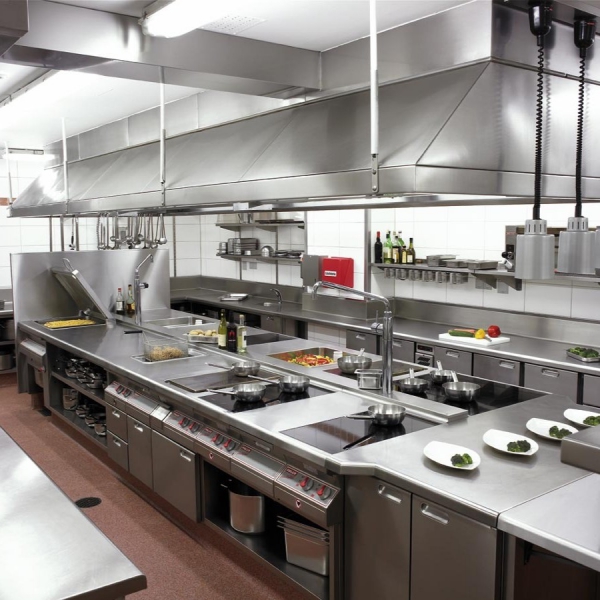
Effectively removes smoke, odors, and heat directly at the cooking area
Maintains a cool, clean, and well-ventilated kitchen environment
Improves working efficiency and reduces stuffy, uncomfortable conditions
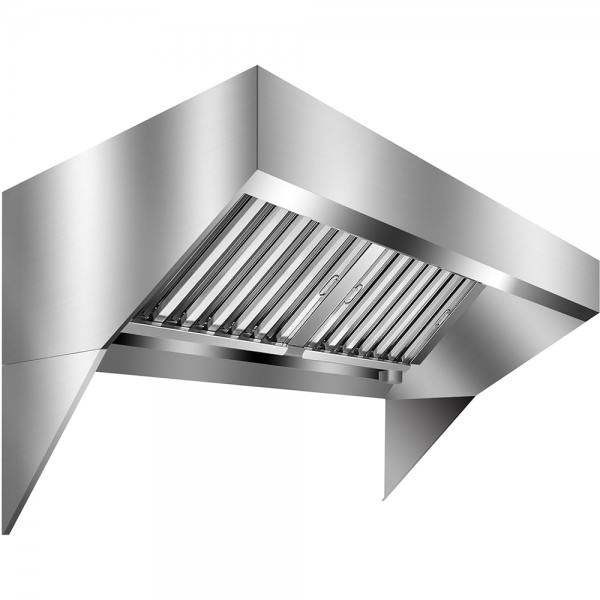
Smart grease filter system, easy to remove and clean
Customizable dimensions to suit different kitchen areas
Suitable for all models: restaurants, food outlets, and collective kitchens
Integrated fresh air supply system for effective air balance
Minimizes food odors clinging to clothing and equipment
Enhances the aesthetics and professional apperance of the kitchen space
Parameter:
| Product code | G-EH |
In high-capacity kitchen environment such as restaurants, hotels, and central kitchens, the amount of heat, smoke and odors generated during cooking is extremely high. If not properly treated, these factortys may lead to:
Hot, stuffy kitchen spaces with strong grease odors
Negative impacts on the health of chefs and service staff
Cross-contamination of food odors, affecting dish quality
Increased risk of equipment damage due to grease and smoke accumulation
Installing an industrial kitchen exhaust hood not only enables rapid removal of smoke, odors, and heat, but also ensures a clean and well-ventilated working environment - especially critical for open kitchens or live-cooking areas.
Behind the robust and polished apperance of an exhaust hood lies a coordinated technical system that plays a key role in grease filtration, odor control, air conveyance, and maintaining effective airflow circulation within the kitchen.
A typical industrial kitchen exhaust system consists of 3 main components, each serving a specific function:
Exhaust Hood Assembly: This is the most visible component within the kitchen area. It consists of grease baffle filters, lightning fixtures, grease collection trays, and the stainless-steel hood structure.
Exhaust Ductwork System: Includes exhaust ducts and, where required, sound attenuators. Ducts are commonly designed in round or rectangular shapes, assambled using elbows and connectors with defined lengths. Sound attenuators are installed when high-capacity exhaust fans are used to reduce operational noise.
Industrial Exhaust Fan: One of the most critical components determining overall system performance. Fan capacity is selected based on kitchen size, cooking load, and ventilation requirements.
When kitchen equipment is in operation, smoke and heat are captured directly at the cooking area by the exhaust hood through its canopy design and controlled airflow direction.
Grease baffle filters retain the majority of oil particles contained in the smoke by means of impact separation and condensation principles.
The filtered airflow is then conveyed by the industrial exhaust fan through the exhaust ductwork system and discharged to the outdoor environment via the exhaust outlet.
In advanced systems, the exhaust air may be further treated by activated carbon ordor control units or UV filtration systems prior to being released to the environment.
The industrial exhaust fan serves as the "heart" of the system, determining the overall extraction capaity. Depending on the kitchen scale and cooking load, fan power typically ranges from 750 W to 10 kW.
The exhaust ductwork conveys the extracted air to the outdoor environment. Stainless steel ducts are commonly used, in either round or rectangular configurations, connected with elbows and equipped with backdraft dampers to prevent reverse airflow.
For enclosed spaces or noise-sensitive areas, sound attenuator ducts are installed to reduce noise generated by the exhaust fan.
This closed-loop operating structure ensures maximum efficiency in odor removal, heat reduction, and indoor air quality improvement, providing an optimal working environment for all industrial kitchens.
Not all kitchen exhaust systems are the same. Depending on the kitchen layout, installation location, and operational requirements, each type of industrial kitchen exhaust hood is designed differently. A clear understanding of the commonly used hood types helps in selecting the most optimal solution for each specific kitchen application.
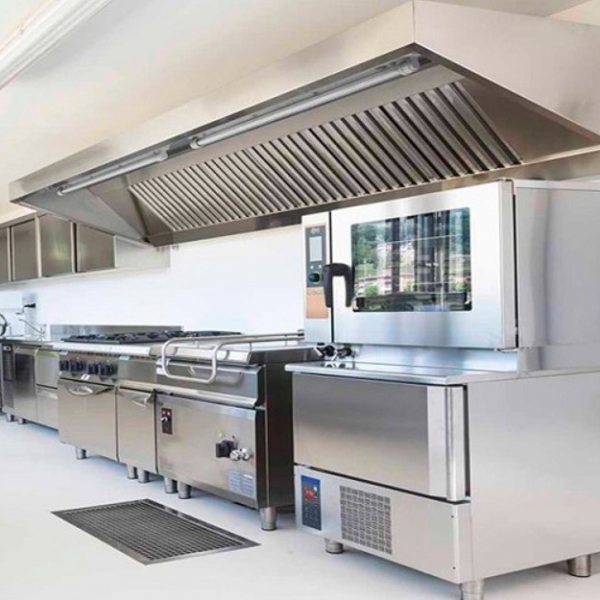
Wall-mounted exhaust hoods: This is the most commonly used type, typically installed against a wall and suitable for cooking equipment arranged along the kitchen perimeter. The design is simple and compact, allowing for ease of installation, operation, and maintenance.
Four-sided exhaust hoods: These hoods are intended for centrally located cooking stations (island-type kitchens), providing uniform smoke capture from all four sides. This configuration requires a rigid suspension system and higher-capacity exhaust fans to ensure effective extraction performance.
Both hood types can be equipped with stainless steel grease baffle filters and grease collection trays, enabling convenient cleaning while maintaining efficient capture of smoke and odors at the cooking area.
This is an advanced exhaust hood system designed for enclosed kitchens, poorly ventilated spaces, or kitchens without a central air-conditioning system. In addition to smoke extraction, the system supplies treated fresh air from outside into the kitchen area in order to:
Balance indoor air pressure within the kitchen space
Reduce ambient temperature and improve thermal comfort
Enhance smoke extraction efficiency through proper airflow circulation
Exhaust hoods with fresh air supply are commonly installed in 5-star hotel kitchens, central kitchens and large-scale catering facilities.
Low-ceiling stainless steel exhaust hoods: These hoods are specifically designed for spaces with limited ceiling height, such as container kitchens, temporary kitchens, or small food outlets. Despite their compact dimensions, effective smoke extraction can still be achieved when the exhaust fan capacity is properly selected.
Island-type exhaust hoods: These hoods are ceiling-suspended and intended for cooking equipment located at the center of the kitchen. Featuring a modern design, they are commonly intergrated with LED lighting and advanced grease filtration systems, making them suitable for open and premium kitchen environments.
This is a specialized exhaust system commonly used in Korean BBQ restaurants and tabletop grilling concepts, featuring direct smoke extraction at the dining table. Key characteristics include:
Adjustable vertical movement to suit different cooking positions
Integrated tubular grease filtration system
Effective reduction of odor dispersion within shared dining spaces
This system requires careful design of concealed ceiling ductwork or overhead duct routing to maintain aesthetics and avoid obstruction to customer circulation.
Before installing an industrial kitchen exhaust hood system, suitability must be carefully evaluated. Each hood type is designed with a specific extraction capacity to match particular kitchen layouts and operational requirements.
Residential range hoods: These units feature compact designs and are typically rated from 80 W to 500 W. They are suitable only for removing limited amounts of grease and cooking odors in low-load applications.
Exhaust systems for institutional and central kitchens: These systems are designed based on kitchen dimensions and cooking intensity. Typical fan capacities range from 750 W to 11 kW, providing effective removal of grease-laden smoke and odors while maintaining acceptable indoor air quality.
Exhaust systems for BBQ and tabletop grilling restaurants: These systems are usually compact and configured as integrated extraction systems. Fan capacities generally range from 1 kW to 10 kW and are specifically designed for smoke and odor extraction in BBQ and hotpot cooking applications.
When selecting an exhaust ventilation system for an industrial kitchen, several critical factors must be taken into consideration:
The kitchen size and cooking layout must be accurately determined in order to select an exhaust fan with appropriate capacity. An improperly sized fan will result in insufficient extraction performance and reduced system efficiency. Therefore, different kitchen types require different exhaust configurations.
The kitchen design should be carefully reviewed to determine the optimal installation location of the exhaust system. This allows proper identification of hood placement as well as appropriate routing and spacing of the exhaust ductwork.
Grease filters shall be cleaned on a regular basis, typically 1-2 times per week, depending on operating frequency.
Exhaust ductwork should be inspected and cleaned 1-2 times per year to prevent grease accumulation.
Exhaust fans require periodic maintenance, including inspection of bearings, lubrication, and impeller condition.
The system shall be kept airtight by regulerly checking all joints and connections to prevent air leakage.
The stability and performance of an industrial exhaust hood system depend not only on equipment quality but also on proper installation and regular maintenance. Correct initial investment ensures smooth operation and long-term cost efficiency.
In today's market, there are many suppliers of industrial kitchen exhaust hoods; however, not all brands are capable of delivering a fully intergrated solution - from technical consultation and fabrication to on-site installation. This is why G-SORA is trusted by restaurants, hotels, and large-scale industrial kitchens as a long-term partner.
G-SORA utilizes imported SUS 304 stainless steel and performs in-house fabrication, allowing full control over:
Consistent quality from individual components to the complete system
Competitive pricing through optimization of intermediate costs and large-scale production
Clear warranty coverage and transparent after-sales service policies
In addition to industrial kitchen exhaust hoods, G-SORA also supplies a full range of kitchen equipment, including preparation tables, stainless steel sinks, steam cabinets, and Asian- European industrial cooking equipment.
Unlike suppliers that only provide products, G-SORA delivers end-to-end turnkey solutions from A to Z:
Technical consultation and exhaust system layout design tailored to specific floor areas and business models
Custom fabrication with CNC stainless-steel cutting and bending, and welding in compliance with technical standards
On-site installation and airflow/pressure balancing in accordance with applicable standards
Contract-based periodic maintenance and system cleaning services
This integrated approach minimizes technical errors, reduces unforeseen costs, and ensures stable, long-term system operation.
G-SORA has successfully implemented industrial exhaust systems for hundreds of kitchen projects, including:
Japanese and Korean restaurant chains
Central kitchens in large industrial zones
4-5 star hotels in Ho Chi Minh City and Da Nang
Schools, hospitals, and shopping centers
This trust is built on consistent product quality, fast installation schedules, and a professional technical team that continues to support clients even after project completion.
Investing in an industrial kitchen exhaust hood is not only a technical requirement but also a critical factor in overall kitchen operational efficiency. With superior SUS 304 stainless steel materials, diversified designs, and flexible installation solutions, G-SORA exhaust hoods represent a top-tier choice for large- scale kitchen applications. Choosing a reputable provider like G-SORA ensures professional consultation, design, and turnkey installation, delivering optimal performance and long service life for kitchen systems.


