 100% genuine goods Payment on delivery Nationwide Delivery
Hotline
(+84) 906922412
100% genuine goods Payment on delivery Nationwide Delivery

The ceiling is the largest surface people constantly see. It carries lights, sprinkler heads, cameras and air diffusers. A diffuser is a small detail, but because it is repeated many times it can easily spoil a carefully designed space.
This article helps you decide when to prioritise aesthetics when choosing plastic air diffusers, when not to, and how to coordinate diffusers with the ceiling design so they blend in rather than draw attention.
Plastic air diffusers (usually made of ABS) are favoured by architects and contractors for high-quality ceiling finishes because they offer:
Lobbies, showrooms, spas, boutique hotels and restaurants are places where people look up at the ceiling more than usual. Diffusers here should be neat, evenly spaced and the same tone as the ceiling.
Low ceilings bring diffusers closer to eye level. A thick or mismatched frame stands out immediately, while a slim, colour-matched diffuser almost disappears into the ceiling.
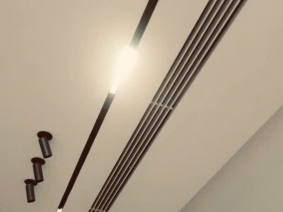
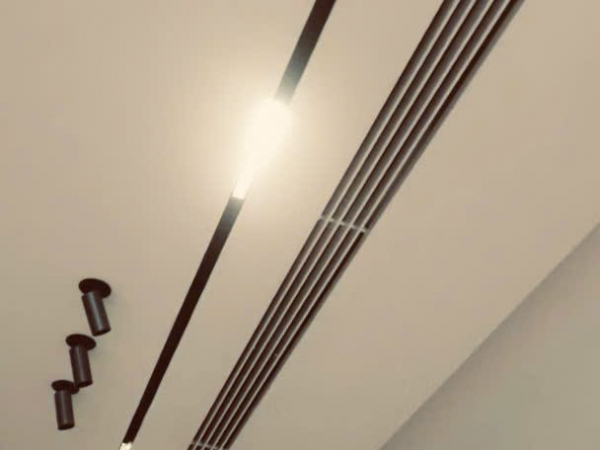
When the ceiling already has light slots, cove lighting, curves or many fixtures, diffusers must be handled carefully so they do not add visual noise.
Homeowners care about the overall interior. Plastic diffusers in the same colour as the ceiling keep the space clean and seamless.
Offices, shops and restaurants often appear in marketing images. A tidy ceiling makes every shot look more professional.
Aesthetics only matter if the system still delivers the right air. Put performance first and check materials carefully in these cases:
Whatever style you choose, the diffuser must still meet the airflow, air velocity and noise level required by the design. If in doubt, consult the MEP designer before finalising the model.
Plastic diffusers suit offices, apartments, hotels, shops and other standard air-conditioned spaces. For high-temperature areas or special requirements, check the material specifications before choosing.
If the ceiling has many 600x600 square lights, square diffusers usually look more harmonious. For ceilings with curves or round lights, round diffusers fit better.
The best diffuser is not the one you notice first. With the right type, colour and position, plastic air diffusers keep the ceiling clean while the system performs efficiently.
Choosing diffusers for your project? Contact G-SORA for advice or browse our plastic air diffusers.