 100% genuine goods Payment on delivery Nationwide Delivery
Hotline
(+84) 906922412
100% genuine goods Payment on delivery Nationwide Delivery


These are the core materials for air-conditioning systems using FCUs (fan coil units) – independent fan-coil indoor units usually installed in the ceiling void or in a service enclosure.
Choosing the right materials not only keeps the system quiet with stable air pressure, but also extends its life and reduces energy consumption.
Below are the materials you cannot do without when installing FCUs.
The insulated flexible duct is widely used to connect the FCU plenum box to supply and return diffusers.
It consists of a spiral aluminium inner duct with a steel wire core, insulated with glass wool or PE foam and finished with a vapour-barrier foil jacket to keep temperatures stable and prevent condensation.
Main functions:
The air diffuser is the outlet or inlet of the air system – where air is supplied to or extracted from the room.
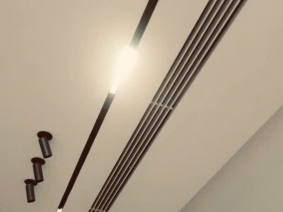
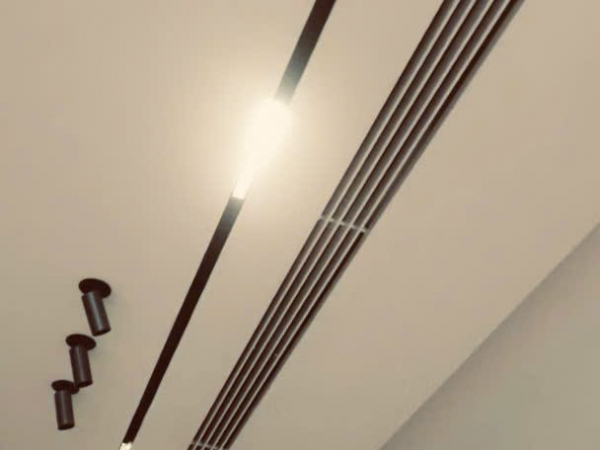
Diffusers are commonly made of powder-coated aluminium, galvanised steel or ABS plastic, in many styles: square diffusers, slot diffusers, louvred grilles, ceiling return grilles…
By function:
Technical role:
A volume control damper (VCD) balances pressure and airflow between duct branches in an HVAC system.
It is usually installed at the duct inlet or inside the FCU plenum box to regulate the airflow to each zone.
Construction:
Functions:
In FCU systems, thermal and acoustic insulation keep temperatures stable and reduce noise. They are used on ducts, FCU plenum boxes, diffuser plenums and service walls to improve efficiency and comfort.
Common types:
Technical benefits:
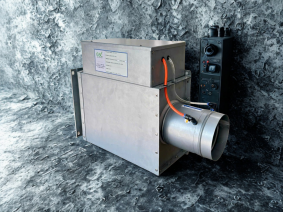
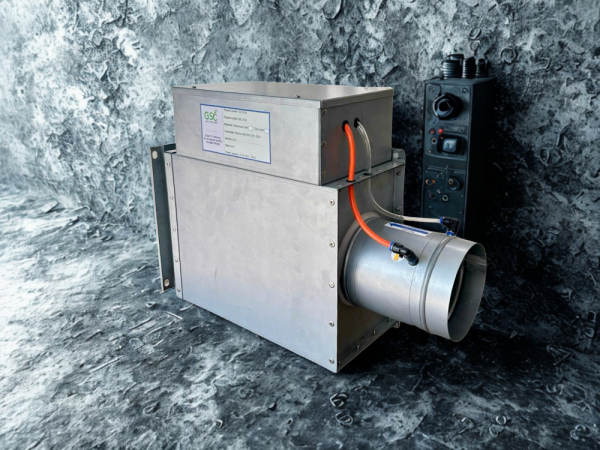
The FCU plenum box is an intermediate enclosure connecting the fan coil unit to the flexible ducts and diffusers. It stabilises air pressure, reduces noise and provides a flexible connection point during installation.
Main construction:
Accessories:
Benefits:
When installing FCU systems, the essential materials are insulated flexible ducts, supply and return diffusers, volume control dampers, thermal and acoustic insulation and FCU plenum boxes. Together they stabilise pressure, reduce noise, distribute air evenly and ensure long-term HVAC performance.
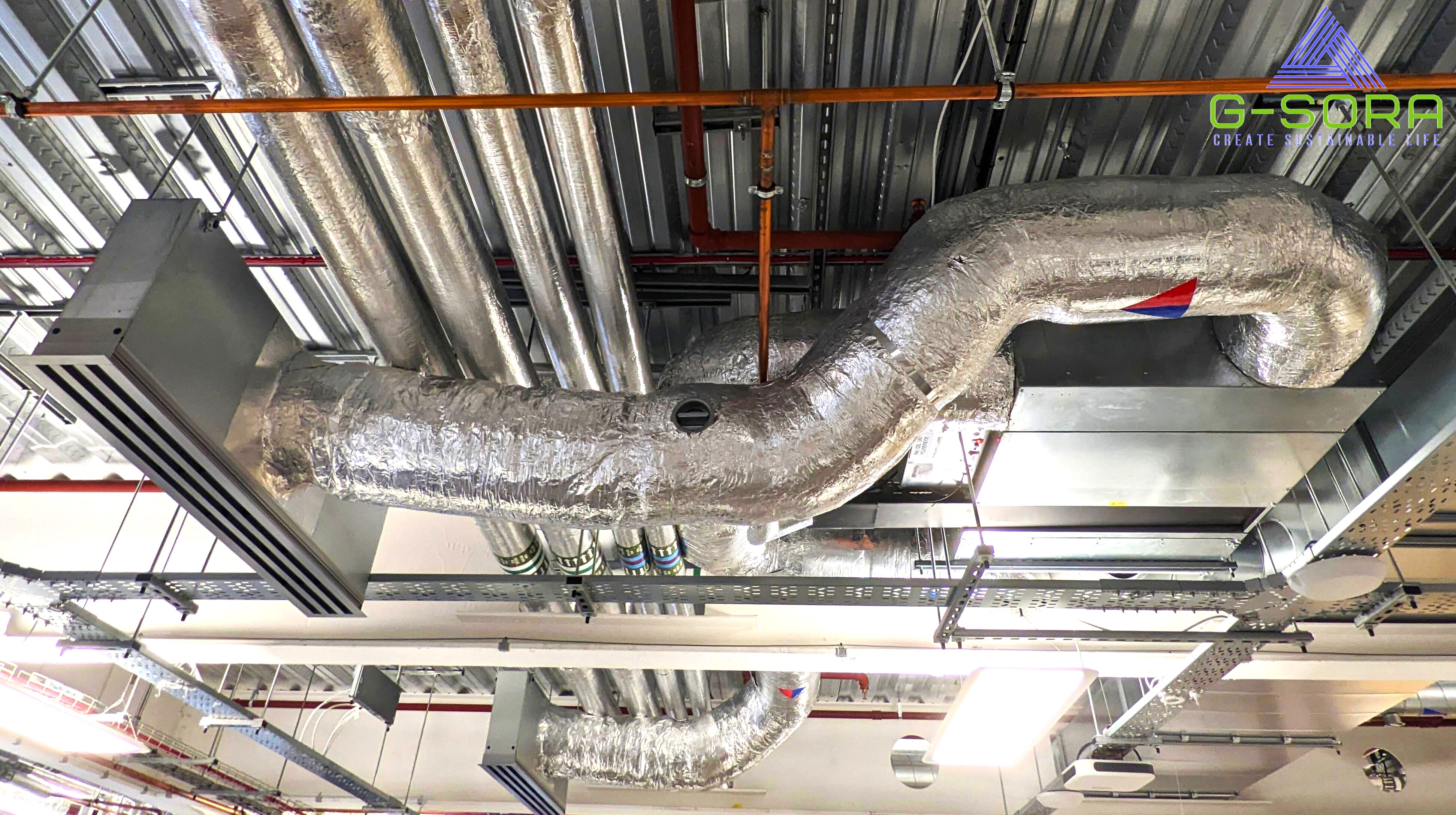
A diffuser plenum box is an enclosure that connects flexible or rigid ducts to supply and return diffusers. It stabilises air pressure, distributes airflow evenly and reduces noise before air is supplied to the room or returned to the indoor unit.
Unlike the diffuser, which is visible on the ceiling, the plenum box is hidden in the ceiling void. It is made of galvanised steel (GI) or stainless steel and can be insulated or acoustically lined as required.
A standard diffuser plenum box has three main parts:
Premium versions are insulated (PU, Armaflex) or acoustically lined (glass wool, mineral wool) to reduce heat loss, prevent condensation and lower operating noise.
| Criteria | Diffuser plenum box | FCU plenum box |
|---|---|---|
| Location | Between the duct and the ceiling diffuser | Connected directly to the FCU |
| Main function | Stabilise pressure, distribute air, reduce noise | Collect air from the FCU into the main ducts |
| Size | More compact, fixed directly to the ceiling | Larger, can hold thicker acoustic lining |
| Material | Galvanised steel, optionally insulated | Thicker galvanised steel, higher acoustic performance |
In an FCU (fan coil unit) system, the diffuser plenum box is a small part with a big impact on overall performance. It sits between the duct and the diffuser, helping the air-conditioning system distribute air accurately, quietly and steadily. Three technical factors explain why it is indispensable.
Air leaving the FCU through the duct often has high pressure and velocity, which can make air strong on one side and weak on the other. The plenum box stabilises pressure before the air leaves the diffuser, so it spreads evenly across the ceiling face.
Room temperature balances faster, local hot and cold spots are reduced and the FCU's heat exchange is optimised. This is why premium projects (hotels, offices, shopping malls) always specify diffuser plenum boxes in their HVAC drawings.
High-velocity air in ducts can cause noise and vibration, especially at bends and pressure changes. Plenum boxes lined with acoustic material (glass wool, mineral wool or PU foam) absorb noise and reduce resonance as air passes through.
The air volume inside the box also acts as a natural damper, making the system quieter and limiting vibration transfer to ceilings and walls – especially important in hotels, hospitals, cinemas and Grade A offices that require very low noise (<35 dB).
The plenum box is a flexible intermediate point that lets technicians remove diffusers, clean and rebalance pressure during maintenance.
With even, stable airflow, the FCU does not overwork, reducing power consumption and extending fan and motor life. Reduced vibration and condensation inside the box also protect ducts, ceilings and surrounding materials for many years.
For stable FCU operation, choosing the right plenum box, the right materials and the right supplier is key. A compliant product delivers even, quiet airflow and lowers long-term operating and maintenance costs.
Meeting these criteria gives the plenum box high technical performance and a service life of more than 10 years.
The right materials extend equipment life and help FCU systems run quietly and efficiently in line with international HVAC practice.
In an FCU system, every component – FCU plenum box, diffuser plenum box, flexible duct, diffuser, volume control damper, thermal and acoustic insulation – plays an important role in the performance, quietness and durability of the whole system.
The diffuser plenum box in particular stabilises pressure, distributes air evenly and reduces noise, directly affecting comfort, energy savings and equipment life.
Choosing the right types and compliant materials makes installation easier and prevents problems after commissioning, such as condensation, air leaks and excessive noise. Contractors should prioritise quality HVAC materials with clear technical certification. Contact G-SORA for FCU installation materials.