 100% genuine goods Payment on delivery Nationwide Delivery
Hotline
(+84) 906922412
100% genuine goods Payment on delivery Nationwide Delivery


Description:
Fast air exhaust, effectively reduces odors in living spaces
Prevents insects and rainwater from entering the duct system
Premium stainless steel construction – durable, rust-resistant, and long-lasting
Service life up to 15 years without replacement
Smart mesh screen keeps the ventilation system clean and unobstructed
Optimized dome design prevents reverse water flow
Easy to install, simple to clean, no advanced technical skills required
Parameter:
| Product code | G-VENT |
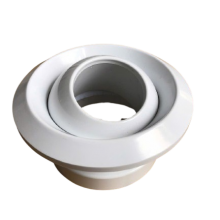
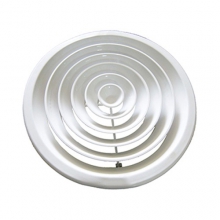
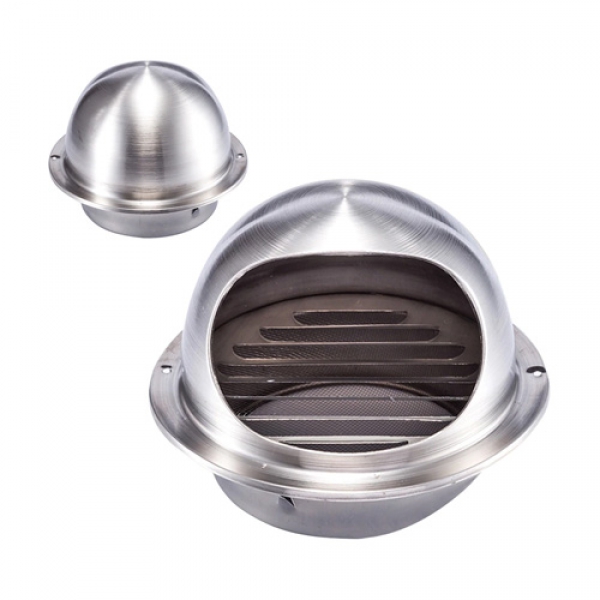
A Vent Cap is installed at the outlet of a ventilation duct system, acting as both a protective cover and an airflow director. Its basic structure includes:
Dome-shaped cover: The outer protective shell that prevents rainwater and insects from entering.
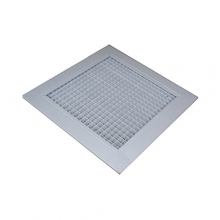
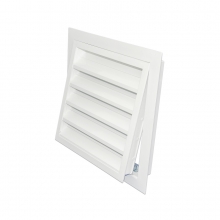
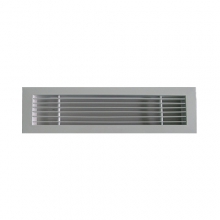
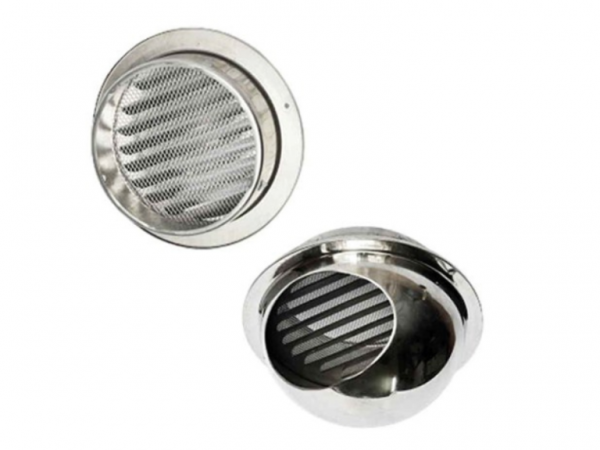
Filter mesh or louvers: Made of stainless steel mesh or horizontal slats, used for basic dust filtering and debris blocking.
Base mounting ring: Secures the vent cap firmly to the duct, wall, or mounting frame.
Working principle:
When indoor air is discharged through the duct, the vent cap directs airflow outward efficiently, prevents air stagnation, and protects the system from environmental factors such as rain, debris, insects, and backdraft wind. Models equipped with insect screens significantly enhance system protection.
In practice, the terms “vent cap” and “vent cover” are often used interchangeably. However:
Vent cap usually refers to the shaped ventilation device (dome, screened, or louvered design).
Vent cover may also include sealed covers used to close a duct opening when not in operation.
In MEP and HVAC engineering, both terms typically refer to the same product—a protective airflow outlet device.
Among common materials, SS304 stainless steel is considered the best choice due to:
Excellent corrosion resistance, especially in humid or coastal environments
Long service life (10–15 years) without rusting
Easy cleaning and long-lasting surface finish
Safe material, non-toxic even under heat exposure
Lower-grade stainless steel such as SS201 may look similar but can rust after only 1–2 years.
Vent caps are no longer limited to industrial systems. They are widely used in homes, offices, and semi-industrial buildings, with different requirements depending on the environment.
Round ducts are the most common due to efficient airflow, low noise, and space optimization. Typical selections include:
Dome-shaped stainless steel vent caps with insect mesh
Sizes compatible with D100, D150, D200 ducts, etc.
Advantages:
Easy installation and quick connection
Improved airflow discharge due to optimized directional design
Prevents backdraft into the duct system
These vent caps are also widely used in central air conditioning, smoke exhaust, and ventilation fan outlets.
Bathrooms require constant ventilation to prevent humidity and odor buildup. Recommended features:
Insect-proof mesh and odor control
Compact design suitable for brick walls or concrete ceilings
SS304 stainless steel for corrosion resistance in humid environments
Many households combine ceiling exhaust fans with external stainless vent caps to improve ventilation efficiency.
Important: Avoid plastic or low-grade alloy vent caps—they may crack, deform, and fail in high humidity conditions.
For installations on:
Exterior walls
Rooftops
Industrial kitchen exhaust systems
Key requirements include:
Reverse rain protection (inverted dome design)
Solid stainless steel construction without weak welded joints
Proper sizing to match duct diameter and prevent air/water leakage
Regular inspection every 6–12 months is recommended to clean dust and replace damaged mesh.
Choosing the right material is critical for durability and long-term performance.
SS304 stainless steel stands out due to:
Superior corrosion resistance, ideal for humid, coastal, and industrial environments
No oxidation over time, maintaining a clean and polished appearance
No static buildup like plastic and no airflow obstruction
Seamless welded construction for better durability and airtightness
Plastic vent caps
30–50% cheaper and lightweight
Prone to warping under heat
Become brittle and crack after several years
Not suitable for hot or rainy environments
Powder-coated steel / galvanized caps
Initially similar to stainless steel and 20–30% cheaper
Rust easily if coating is damaged
Difficult to clean with water
Not suitable for outdoor or humid environments
| Application | Recommended Vent Cap |
| Residential / Bathroom | SS304 with insect mesh |
| Factory / Cold storage | Large SS304 deep-dome type |
| Small office | SS201 or aluminum (dry environment) |
| Coastal / Marine areas | Solid SS304 or SS316 only |
Selecting the right material from the beginning helps reduce maintenance and replacement costs, especially for systems operating 24/7.
A vent cap is not just a simple accessory—it plays a crucial role in maintaining ventilation efficiency and system durability. With SS304 construction, screened design, and proper weather protection, vent caps provide long-term performance for both residential and industrial applications. Investing in the right product from the start reduces maintenance costs and improves indoor air quality.