 100% genuine goods Payment on delivery Nationwide Delivery
Hotline
(+84) 906922412
100% genuine goods Payment on delivery Nationwide Delivery



Description:
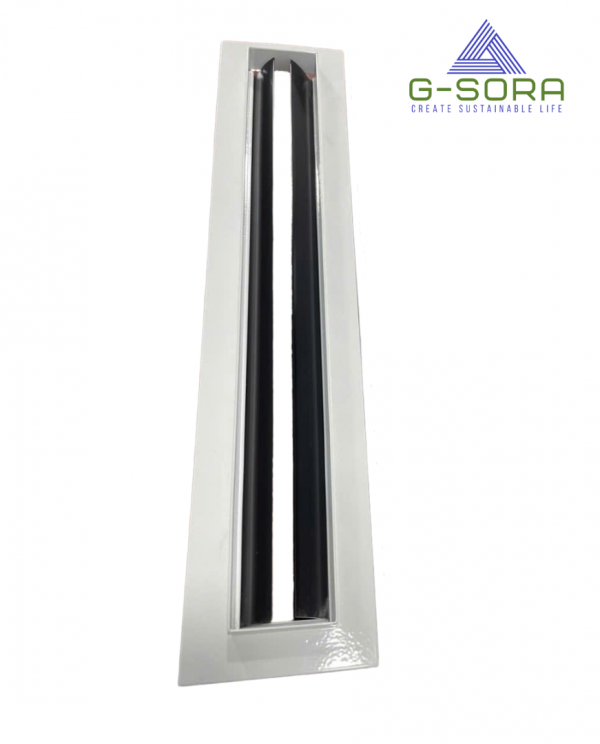
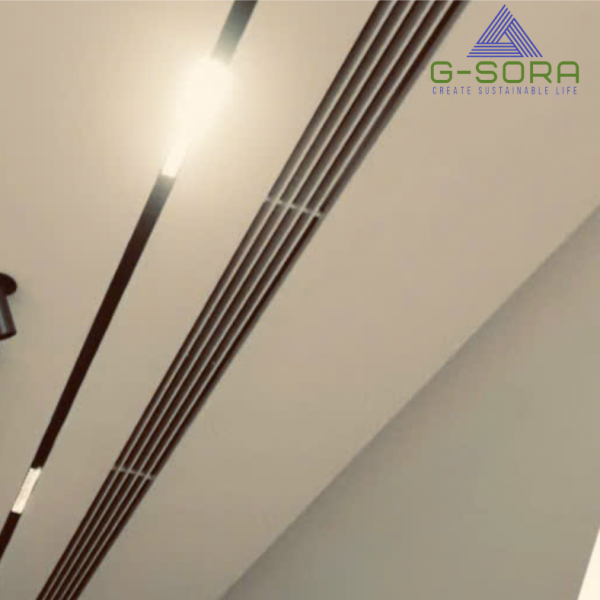
Frameless design, fully concealed within ceiling or wall structures
Seamless, high-end appearance with no visible borders
Optimized and uniform air distribution without drafts
Low-noise, smooth operation suitable for luxury spaces
Easy integration with concealed lighting, speakers, and modern ceiling architecture
Ideal for villas, showrooms, hotels, and Grade A office buildings
Parameter:
| Product code | G-MG02 |
In modern construction projects, optimizing HVAC system design is no longer limited to performance alone—it must also meet high aesthetic standards. Frameless air diffusers are developed to address both requirements simultaneously, featuring specialized technical construction and the ability to seamlessly integrate into ceiling architecture.
Most frameless air diffusers are manufactured from high-grade extruded aluminum with a powder-coated, corrosion-resistant finish, ensuring long-term durability even in humid environments. Some premium models utilize composite materials or specialized gypsum, allowing perfect integration with seamless gypsum ceilings.
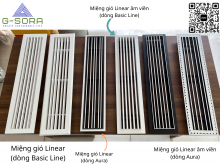
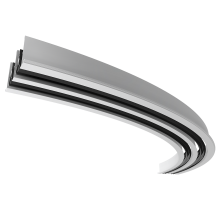
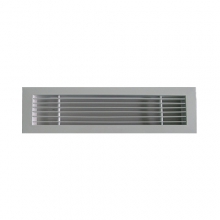
The defining design feature is the elongated air slots, typically ranging from one to three slots depending on the model. Unlike traditional square diffusers, the linear slot design enables uniform air distribution and minimizes localized drafts. This is why these products are commonly referred to as slot diffusers or linear slot diffusers in international HVAC documentation.
Inside the slots, adjustable air deflectors may be integrated. These blades can be manually or automatically controlled, allowing for:
Horizontal air discharge along the ceiling
Vertical downward airflow
Focused or wide-angle air distribution
This mechanism directs conditioned air from the HVAC system according to preset airflow patterns, improving cooling/heating efficiency and minimizing uneven temperature zones within the space.
Each frameless air diffuser is connected to a plenum box, which links directly to the main ductwork. The plenum box is typically constructed from galvanized steel with thermal insulation and serves two primary functions:
Stabilizing static pressure to ensure even air distribution across all slots
Reducing airflow noise generated within the duct system
The combined design of air slots, directional blades, and plenum box ensures stable system operation, minimizes turbulence, and prevents unpleasant whistling or airflow noise.
Thanks to their discreet appearance and stable airflow performance, frameless air diffusers are increasingly becoming a new standard in modern interior design. Below are typical applications by project type.
In high-end villas and penthouses, architects often prioritize minimalist and seamless visual concepts. Frameless air diffusers, fully concealed within gypsum ceilings, help to:
Preserve uninterrupted interior design
Maintain clean ceiling lines
Integrate harmoniously with concealed lighting, recessed curtains, and smart lighting systems
With customizable dimensions, finishes, and slot configurations, these diffusers can be tailored to match each homeowner’s unique design style.
In premium spaces such as:
Five-star hotels
Fashion and luxury brand showrooms
High-end office buildings
frameless diffusers enhance professional aesthetics and brand perception. Seamless integration into walls or ceilings helps to:
Draw visual focus toward displayed products rather than technical elements
Create open, elegant, and comfortable environments
Reduce operational noise, ensuring a quiet and pleasant atmosphere
Frameless air diffusers are especially suited for concealed gypsum ceiling systems—commonly used in contemporary interiors. When combined with:
Recessed LED lighting
Built-in audio systems
Concealed temperature or humidity sensors
they ensure HVAC performance while maintaining a clean, uncluttered ceiling surface in line with minimalist architectural principles.
Despite their aesthetic and functional advantages, frameless air diffusers present certain technical challenges that require skilled execution.
Unlike framed diffusers, frameless designs do not conceal installation imperfections. Minor errors can lead to:
Misaligned or uneven slots
Visible gaps affecting aesthetics
Increased noise or improper airflow direction
Therefore, ceiling cutting, plenum positioning, and airflow alignment must be carried out by experienced technicians, in close coordination with ceiling, lighting, and architectural trades.
Compared to conventional diffusers, frameless models typically involve higher costs due to:
Premium materials such as extruded aluminum and powder coating
Precision manufacturing and installation requirements
Custom sizing for specific project conditions
Additionally, some frameless designs may require careful planning to allow easy access for internal cleaning and periodic maintenance, especially in dusty or humid environments.
For systems requiring very high airflow rates or static pressure—such as factories, cold storage facilities, or industrial plants—frameless diffusers may not be suitable because:
Linear slots distribute air gently rather than delivering strong directional airflow
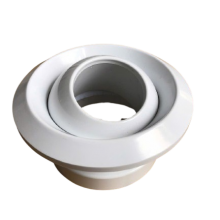
They are not designed for high-pressure discharge compared to jet diffusers or industrial outlets
Therefore, frameless diffusers are best suited for controlled indoor environments such as residential, office, and hospitality spaces.
When choosing frameless air diffusers, key considerations include material selection, sizing, and airflow requirements.
Powder-coated extruded aluminum remains the most common choice due to its:
Lightweight and high durability
Corrosion resistance
Ease of customization for architectural finishes
For seamless ceiling designs, gypsum or composite diffusers may be selected to achieve perfect surface integration.
Yes—most manufacturers offer custom fabrication, including:
Lengths from 600 mm to over 2000 mm
Slot configurations: typically 1 to 3 slots
Slot width: commonly 20–30 mm per slot
Coordination with HVAC engineers is recommended to ensure airflow performance aligns with room size and thermal load.
Frameless air diffusers are an optimal solution for projects seeking refined aesthetics and quiet, efficient HVAC performance. While investment and installation requirements may be higher than conventional diffusers, the long-term benefits in visual harmony, comfort, and system efficiency fully justify the choice. Selecting a qualified supplier and experienced installation team is essential to achieving durable and visually flawless results.