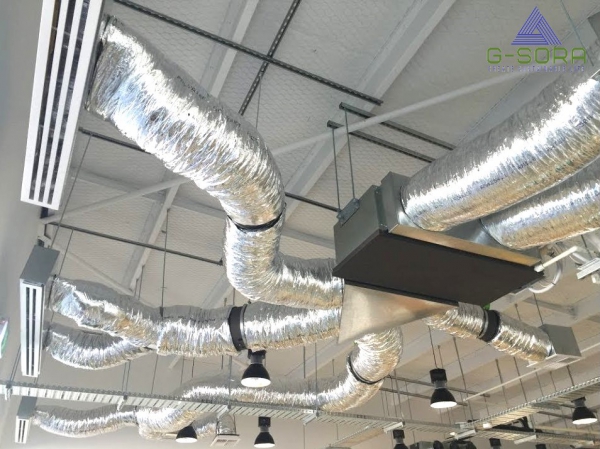

In HVAC systems, pressure differences between zones can affect performance, equipment life and system safety. A pressure relief damper (PRD) stabilises pressure and keeps air flowing correctly. This article explains what a PRD is and how to choose the right one.
1. What is a pressure relief damper (PRD)?
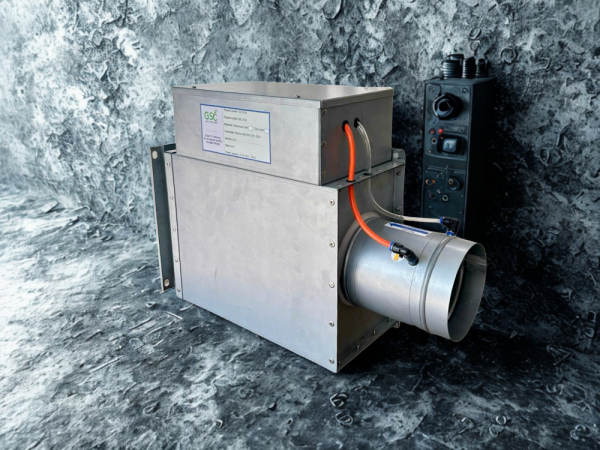
A pressure relief damper is an automatic mechanical device that controls air pressure in an HVAC system. When the pressure in a duct or room exceeds the design level, the damper opens to release excess air, keeping pressure stable and protecting the entire ventilation and air-conditioning system.
Because it works purely on self-balancing mechanical principles, the PRD is a safe, energy-saving solution for projects that need precise pressure control, such as cleanrooms, operating theatres, isolation rooms, electronics factories and other sealed areas.
The damper is usually installed between zones of different pressure, or on supply and return ducts, to keep air moving in the right direction without leakage or abnormal pressure build-up.
Main components of a PRD:
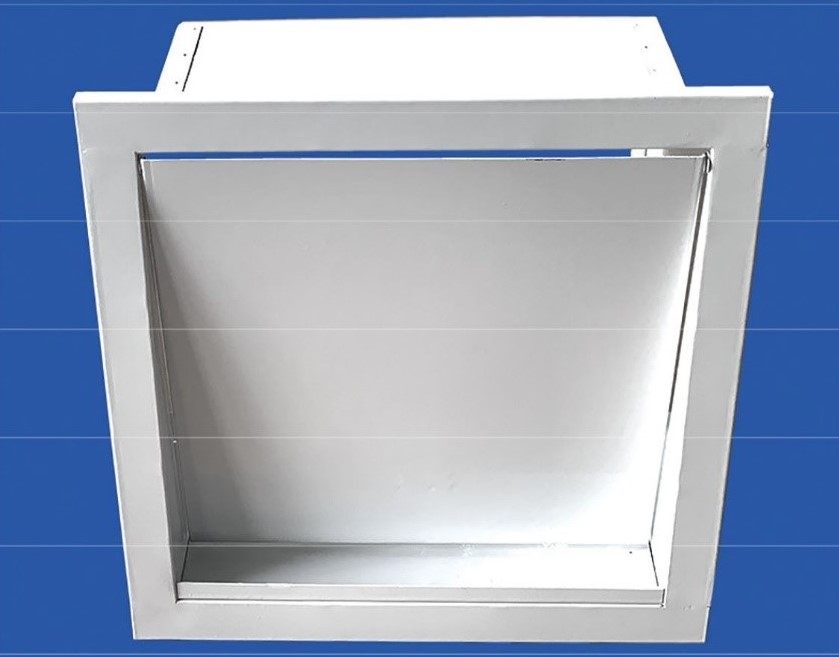
- Frame: galvanised steel, powder-coated steel or 304 stainless steel, suitable for harsh environments.
- Blades: light and thin, opening easily when a pressure difference occurs.
- Return spring: brings the blades back to the closed position once pressure stabilises.
- Pressure adjuster (optional): lets users set the relief pressure with an adjusting screw.

2. How a PRD works
Operating mechanism
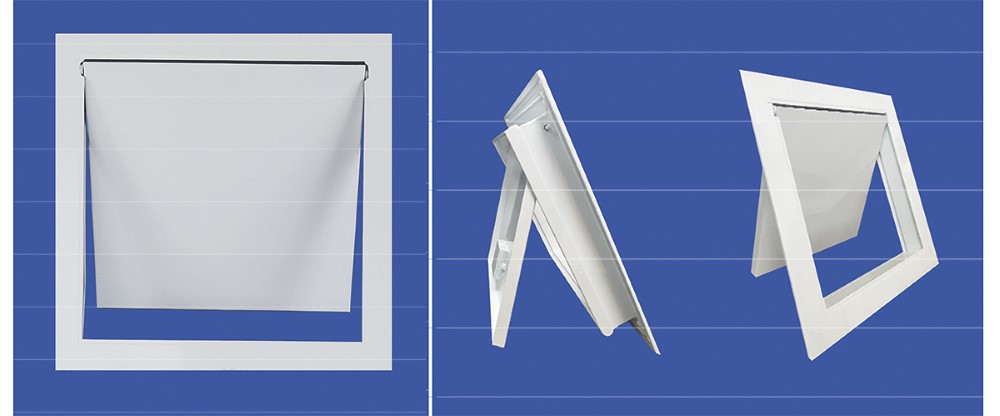
When the zone pressure exceeds the threshold, the air force overcomes the spring force → the damper opens → air escapes → pressure drops → the spring returns the damper to its original position. The whole process is fully automatic, with no power or controls required.
Benefits of a pressure relief damper
- Safe system operation, preventing duct bursts or equipment damage
- Stable pressure in cleanrooms and technically demanding areas
- No power needed, silent, easy to install and maintain
- Longer life for fans, filters and the whole HVAC system
3. Common applications
- Cleanrooms: pharmaceutical, electronics and food factories that need positive pressure to keep dust out.
- Central plant rooms: where pressure can rise because the system is airtight.
- Laboratories: controlling airflow and pressure for accurate research.
- Hospital isolation rooms: maintaining negative pressure to stop bacteria or viruses escaping.
- Industrial plants: chemical, paint or flammable-gas areas, where the PRD quickly relieves sudden pressure rises.
4. Installation and selection tips
Installation notes
- Install where air can escape easily, such as walls, ceilings or auxiliary ducts.
- Avoid locations where people stand, so relief air does not blow directly on them.
- Add a dust screen or hood for outdoor use.
- Inspect regularly to ensure sensitivity and airtightness.
How to choose the right PRD
- By design pressure: based on the M&E drawings or technical recommendations.
- By material: stainless steel for cleanrooms, powder-coated steel for general spaces.
- By size: depending on room volume and the pressure difference to be relieved.
- Adjustable or not: choose an adjustable model if operating flexibility is needed.
5. PRD vs other dampers
- Pressure relief damper (PRD): opens automatically when pressure exceeds the limit, balancing pressure in sealed or positive/negative-pressure rooms. No manual or electrical control needed.
- Manual volume damper: adjusts airflow as required by turning a shaft or lever to set the blade position.
- Backdraft damper: prevents reverse airflow; opens only when air pushes from one side.
- VAV/CAV terminal: an automatic, electrically or sensor-controlled unit for central systems that adjusts airflow to real demand.
The PRD therefore has a distinct role – dealing with over-pressure – and cannot be replaced by other dampers.
6. Real-world examples
Pharmaceutical cleanroom
A drug factory must keep cleanroom pressure higher than surrounding areas to prevent dust ingress. The HVAC system supplies air continuously; without a relief damper, pressure would rise too high, bulging ceilings, forcing doors open or damaging equipment. A PRD in the ceiling or wall releases excess air when pressure exceeds the limit.
Negative-pressure isolation ward
Isolation rooms for infectious patients must be kept at lower pressure than other areas to stop viruses escaping. A PRD in the wall or duct releases excess air while keeping airflow moving from clean areas into the isolation zone.
AHU plant room in a shopping mall
In large buildings, air handling units (AHUs) run continuously. If the supply fan runs while dampers are closed or there is no outlet, air builds up and pressurises the plant room. A PRD relieves pressure in time, protecting the fan and reducing system noise.
7. Common installation mistakes and fixes
- Wrong relief direction: installed the wrong way, air cannot escape or noise occurs. Check the arrow or marking on the damper body before installing.
- Spring not calibrated: on adjustable models, the wrong setting makes the damper open too early or too late. Calibrate with a pressure gauge.
- No relief path: in fully sealed designs, the PRD opens but air remains trapped – add an outlet path to the outside.
- No scheduled maintenance: springs or hinges can stick or corrode – inspect and clean every 6–12 months.
Although compact, the pressure relief damper is essential to the safety and efficiency of the whole HVAC system. Correct selection and installation prevent over-pressure incidents, extend equipment life and optimise operating costs. For demanding projects such as cleanrooms, laboratories, hospitals and sealed production areas, the PRD is a smart, reliable and indispensable pressure control solution. Contact G-SORA for advice.