 100% genuine goods Payment on delivery Nationwide Delivery
Hotline
(+84) 906922412
100% genuine goods Payment on delivery Nationwide Delivery

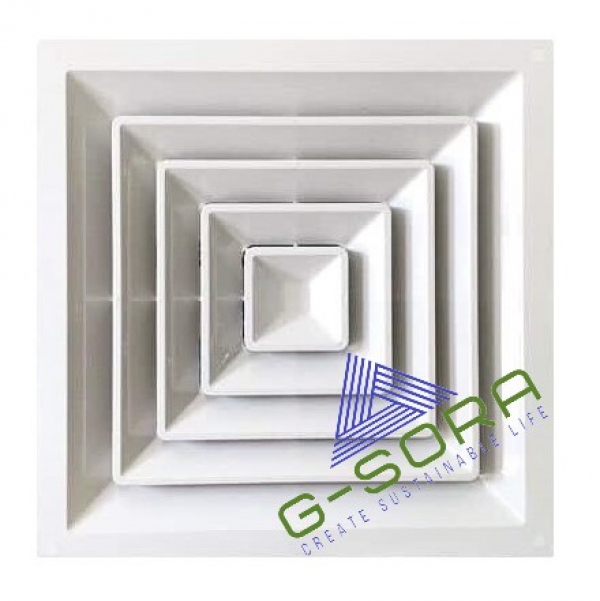
Choosing the right size of ceiling air diffuser keeps the HVAC system running smoothly, reduces noise and optimises airflow. This article provides a size chart by air-conditioner capacity, plus technical guidance for choosing the right type for each kind of building.
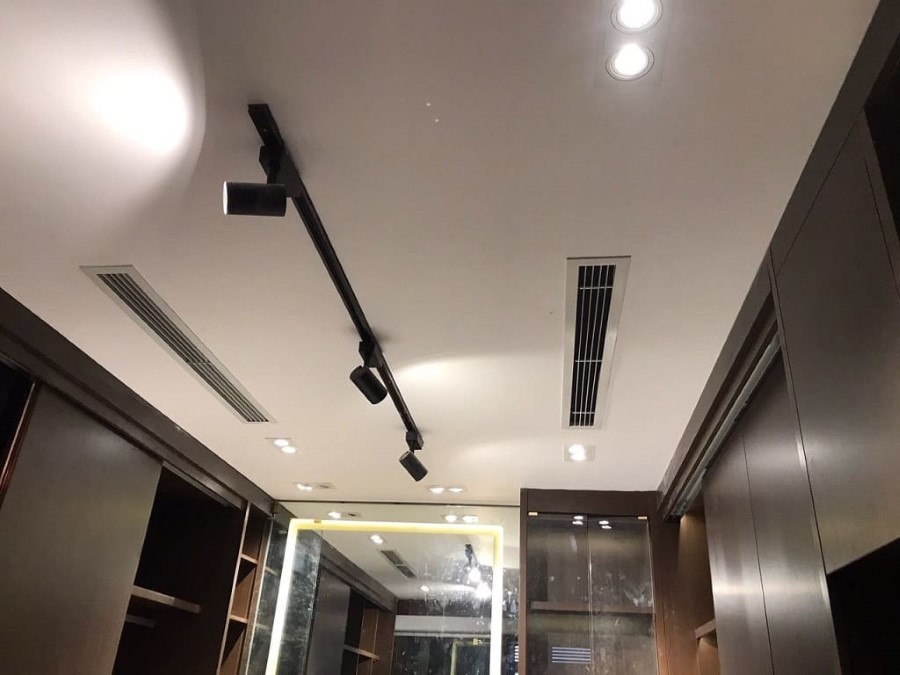
The ceiling air diffuser directly affects how the air conditioner handles air and determines how conditioned air is delivered into the room. Its size is adjusted to the area to be cooled and the installation conditions of each project.
By function, ceiling air terminals fall into three main groups:
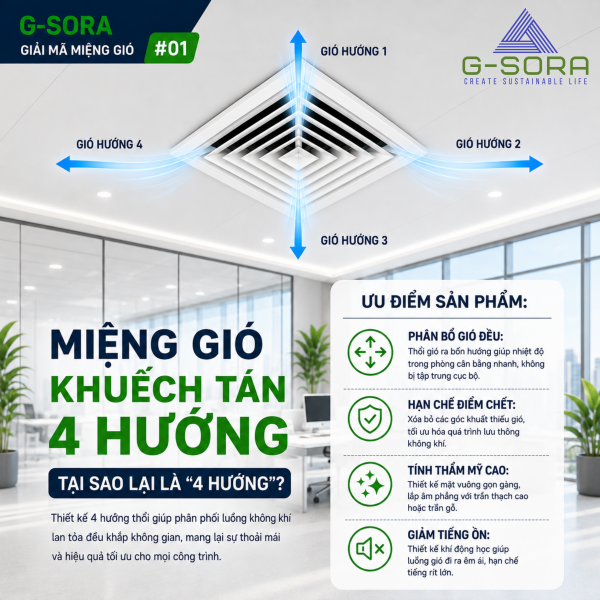
Concealed ceiling diffusers sit neatly within the false ceiling, with only the face visible. This ensures a clean look suited to modern buildings such as:
Technical characteristics:
Diffuser size and style affect how air is distributed. The right diffuser spreads air evenly and avoids temperature differences between zones.
A correctly sized diffuser lets the system run more efficiently and use less power. If the diffuser is too small, the system works harder and wastes energy.
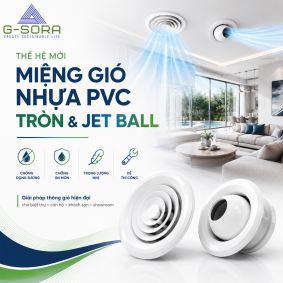
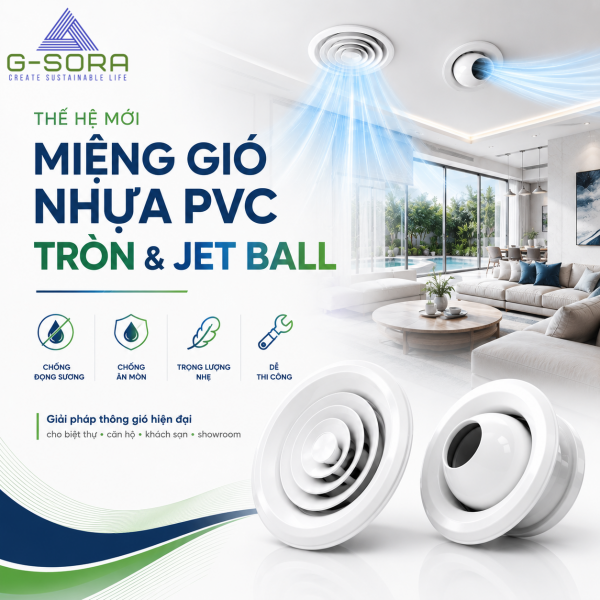
Diffusers come in square, rectangular and round styles. Choosing one that suits the interior improves the look of the project.
Size and design affect noise. A correct design keeps airflow stable, avoids whistling and feels more comfortable.
A suitable diffuser reduces stress on the AC system, limits wear and extends equipment life.
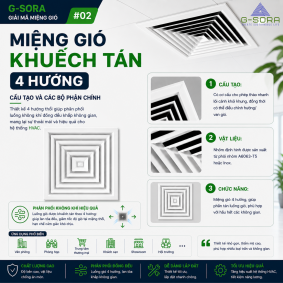
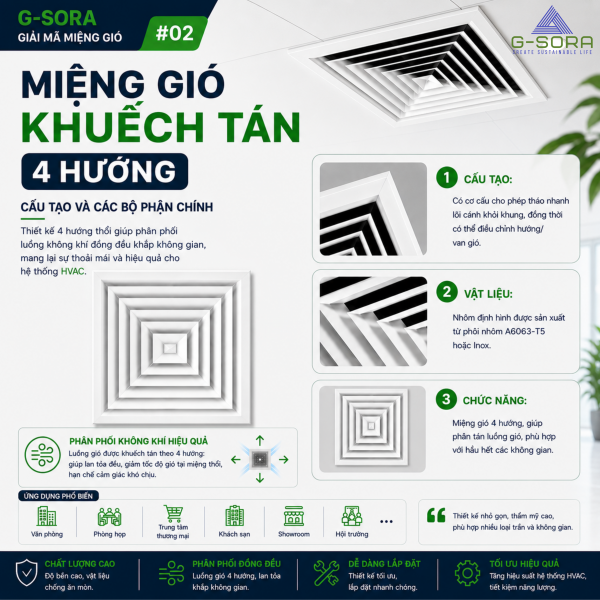
Some diffusers allow the air direction to be adjusted, improving local cooling and comfort.
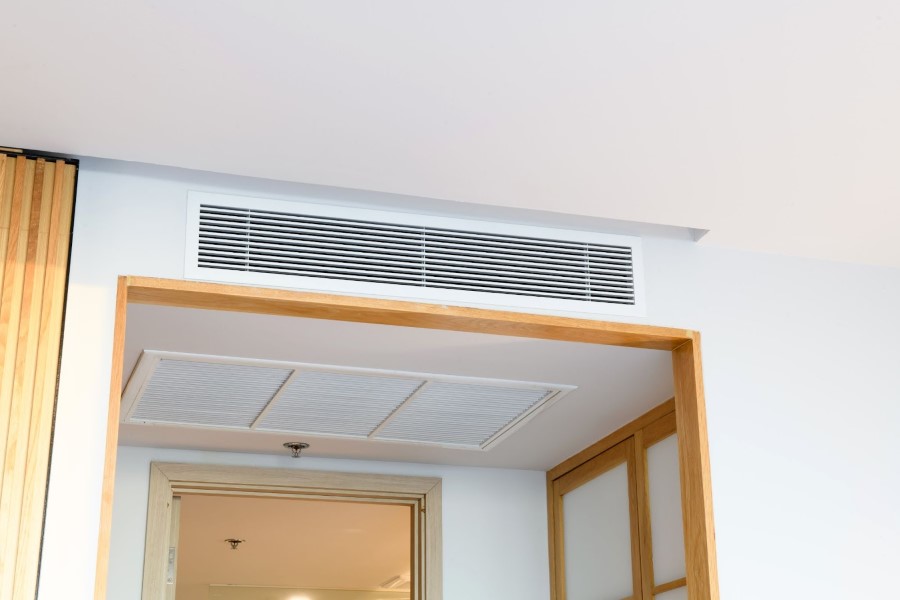
In many ceiling-concealed systems, engineers also add a diffuser plenum box to equalise pressure and reduce noise before air enters the room. The plenum stabilises airflow, prevents whistling and improves heat distribution. Sizing the plenum box to match both the diffuser and the AC capacity is key to a quiet, energy-efficient and durable HVAC system.
Selecting a ceiling diffuser size is not just a matter of reading capacity and airflow from a table. Designers must consider several technical and site factors to get accuracy, performance and aesthetics right:
The fundamental basis for sizing. Each AC capacity produces a given airflow (e.g. 1 HP ≈ 400 m³/h). The diffuser's free area must be large enough to deliver all the air without excessive resistance.
A small free area raises air velocity, causing noise and uncomfortable drafts. A large free area gives slower, more comfortable air but needs more ceiling space. Depending on the application (bedroom, office, cold room…), discharge velocity is typically 2–4.5 m/s.
Diffuser size affects noise as air passes through. A properly designed diffuser keeps the system quiet, achieving NC25–NC35 in residential and office spaces. A wrong size causes whistling that disturbs occupants.
There is not always enough ceiling space for one large diffuser. In tight spaces, use slot diffusers or several smaller diffusers. Also consider air direction and clearance to lights, fans and beams.
An undersized diffuser forces the system to generate more pressure to deliver the airflow, increasing supply or return fan power. The right size keeps airflow stable, saving energy and improving efficiency.
A ceiling diffuser is part of the architecture, not just a technical device. Its style (round, square, slot) and size should harmonise with the gypsum ceiling, lighting and interior colours.
An unsuitable diffuser increases system pressure, causing vibration and wear (especially on fans and cooling coils). The right size keeps the system stable and extends HVAC life.
Matching the diffuser to the ceiling-concealed unit ensures even air discharge and optimal cooling.
| AC capacity | Reference airflow (m³/h) | Recommended diffuser type | Common size (mm) |
|---|---|---|---|
| 1.0 HP | 400–500 | 4-way square diffuser | 300 x 300 or 350 x 350 |
| 1.5 HP | 550–650 | Square diffuser or straight bar grille | 350 x 350 or 400 x 400 |
| 2.0 HP | 700–850 | Slot or square diffuser | 600 x 100 or 500 x 500 |
| 2.5 HP | 950–1,100 | Double-deflection grille, diffuser with VCD | 800 x 150 or 1000 x 150 |
| 3.0 HP | 1,200–1,400 | Round diffuser or large square diffuser | Ø400 or 600 x 600 |
| 5.0 HP | 1,800–2,200 | Combined multi-directional diffusers | 700 x 700 or 2 x 500 x 500 |
| 7.5 HP | 2,700–3,200 | Large square diffuser, round duct | 900 x 900 or Ø500 |
| 10.0 HP | 3,500–4,200 | Industrial / custom diffuser | 1000 x 1000 or to drawings |
As the HVAC market grows more diverse in products and technical standards, finding a reliable diffuser supplier that meets design specifications is key to project quality. G-SORA is a supplier of ventilation products trusted by M&E engineers and contractors.
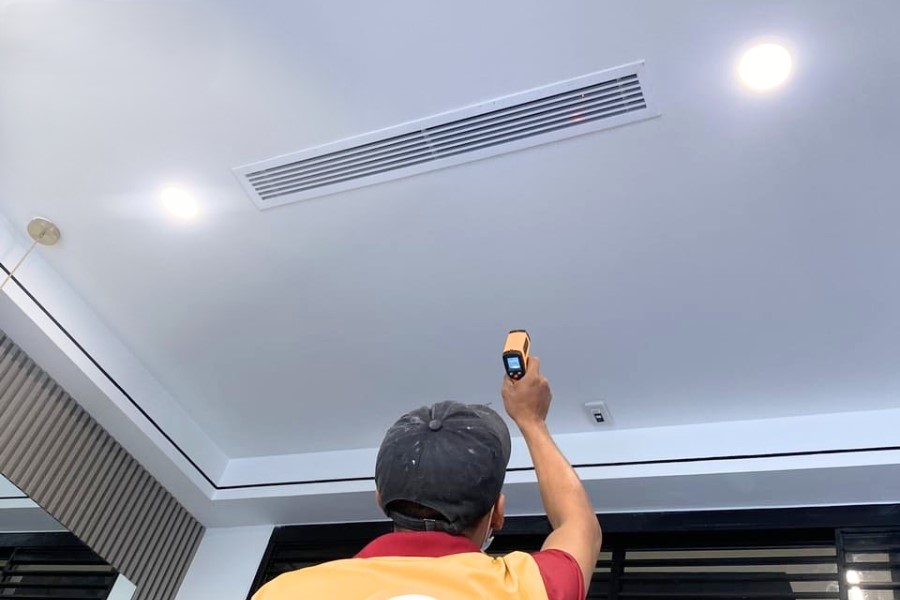
G-SORA supplies HVAC equipment and materials in Vietnam. Working closely with manufacturing partners and an experienced technical team, G-SORA can supply concealed ceiling diffusers in the sizes, styles and technical standards required – from standard models to custom designs based on detailed drawings.
For projects with demanding schedules, quality and technical requirements – especially commercial buildings, offices and factories – a proactive supplier reduces risk.
G-SORA not only delivers the right products but supports M&E engineers throughout design, installation and handover. Contact us for advice and a quotation.