 100% genuine goods Payment on delivery Nationwide Delivery
Hotline
(+84) 906922412
100% genuine goods Payment on delivery Nationwide Delivery

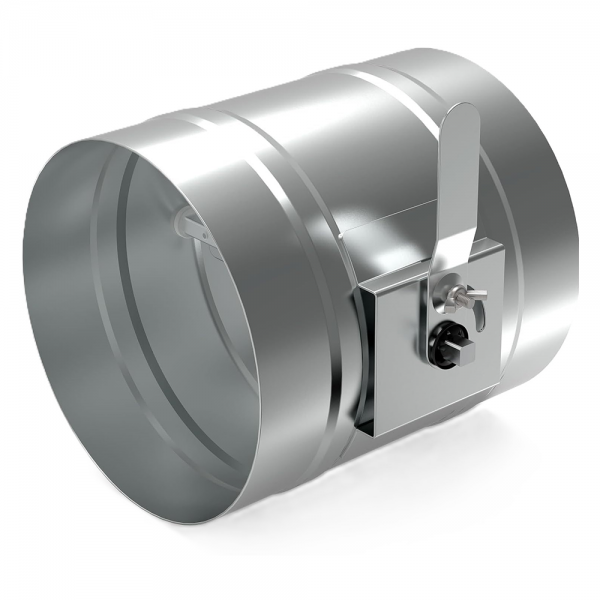
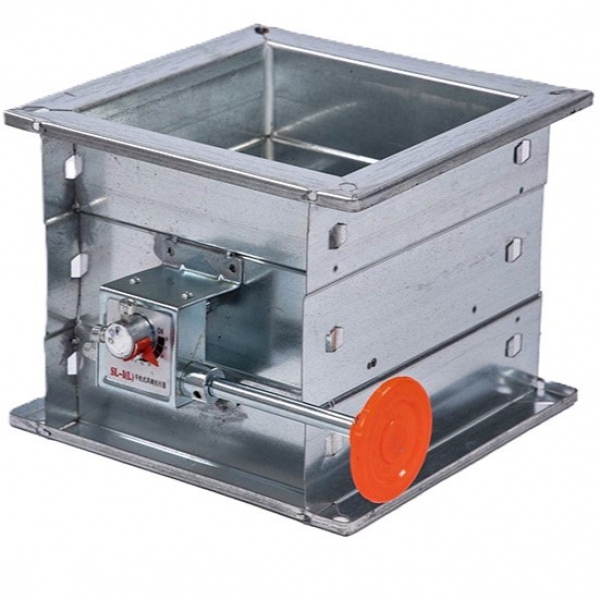
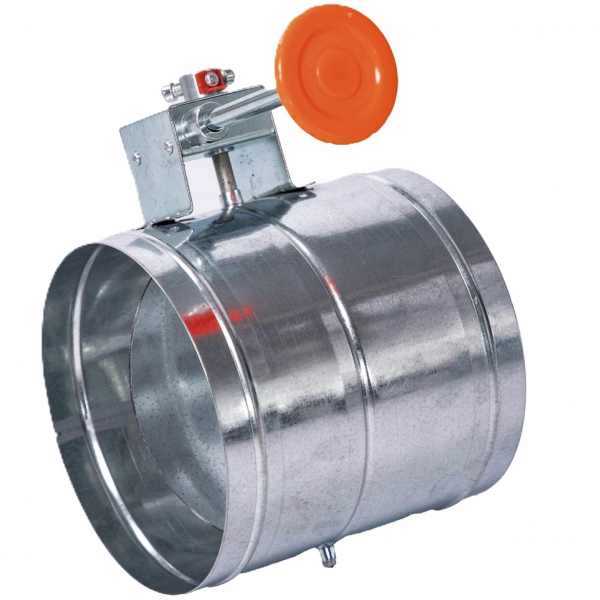
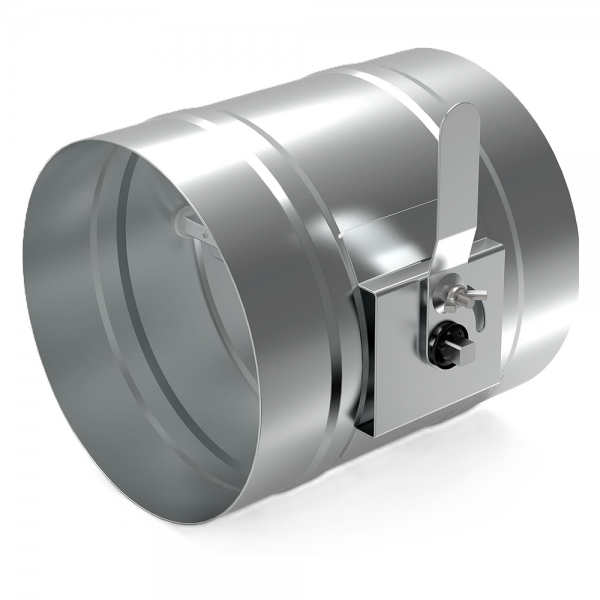
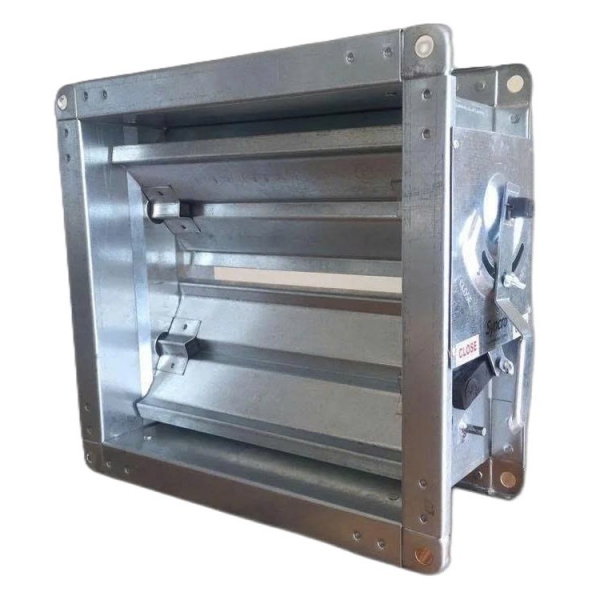
Description:
Flexible and accurate airflow control based on system demand
Helps balance air pressure and optimize HVAC ventilation performance
Available in manual or motorized (electric actuator) operation
Multiple designs: round and rectangular, suitable for all duct types
Durable materials: galvanized steel (GI), stainless steel, aluminum
Easy installation and maintenance – reduces construction time
Works effectively with Fire Dampers (FD) and Non-Return Dampers (NRD)
Ideal for commercial buildings, factories, and cleanroom environments
Easily integrated with Building Management Systems (BMS) for smart control
Competitive pricing, wide range of sizes and models available
Parameter:
| Product code | G-VCD |
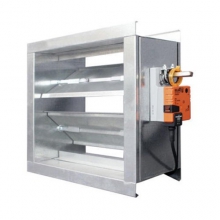
Air Volume Control Damper operates based on blades rotating around a shaft, allowing adjustment of the opening angle from 0° to 90°. It is an important device in HVAC systems, used to regulate, distribute, or shut off airflow accurately as required. When integrated with automatic actuators (such as Belimo or Siemens), the damper becomes an intelligent airflow control solution essential for modern buildings.
| Function | Detailed Description |
| Airflow regulation | Balances airflow between duct branches, ensuring stable temperature and pressure. |
| Zone isolation | During maintenance or emergencies (fire, leakage), the damper can close to stop airflow to that area. |
| Noise and vibration reduction | Some dampers are aerodynamically designed to reduce pressure loss and noise. |
| Sensor integration – automatic control | In smart systems, dampers are equipped with actuators controlled by electric or pneumatic signals. |
To ensure stable operation and precise airflow control, the air volume control damper is designed with a simple yet compact technical structure, suitable for fresh air, return air, and exhaust air systems. Understanding its structure and operating principle helps engineers, investors, and contractors select the right damper for each project.
Depending on the type (round or square), the air volume control damper usually includes the following main components:
| Component | Function |
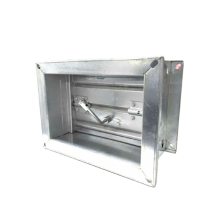
| Damper body (round duct or square box) | Houses the blades and connects to the duct system |
| Blades (single or multiple) | Rotate to regulate the airflow passing through |
| Shaft | Fixed to blades, transmits force from handle or motor |
| Control mechanism | Includes handle, lever, or electric/servo actuator |
| Air sealing gasket (optional) | Improves tightness, reduces air leakage when closed |
Some models include a position locking mechanism to maintain a fixed opening level for long-term airflow stability.
The damper operates based on a simple mechanical principle: when the user or control system rotates the blade shaft, the blades tilt according to the opening angle — thereby changing the airflow cross-section.
The larger the opening angle, the greater the airflow.
When fully closed, airflow is completely blocked.
Example:
A round damper typically uses one blade rotating 90°, common in round ducts.
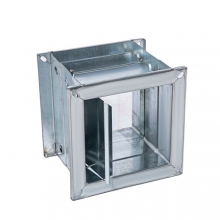
A square damper (multi-blade type) uses multiple parallel blades rotating simultaneously or in opposite directions for more precise airflow control.
Most air volume control dampers today are made from:
Galvanized steel (GI): most common, cost-effective, suitable for moderate temperature
Stainless steel (Inox 304): used in corrosive or high hygiene environments
Aluminum profile: lightweight, easy to fabricate, but higher cost
Depending on material quality, the average lifespan is 7–15 years when properly installed and maintained.
High-rise apartments: Balances airflow between floors and units
Office buildings: Integrated with BMS, adjusts airflow based on schedule or CO₂ sensors
Shopping malls: Ensures ventilation in crowded areas, corridors, basements, and restrooms
Factories: Maintains stable pressure between production and storage areas
Cleanrooms: Requires precise airflow control using motorized dampers + pressure sensors
Fire-risk industrial zones: Works with Fire Dampers (FD) and Non-return Dampers (NRD) to prevent smoke spread
Main duct branch → Round or rectangular VCD
Near air diffusers → Opposed Blade Damper (OBD) for fine airflow balancing
Fire protection zones → Combine with Fire Damper (FD)
Pressure-sensitive areas → Combine with Non-return Damper (NRD)
Determine airflow (CFM or m³/h) to size the damper correctly
Consider duct pressure (Pa) to ensure proper sealing and durability
Multi-blade dampers recommended for smoother and more precise control
Heat resistance (important for fire-rated dampers)
Air leakage class (ensures airtight performance)
Material thickness (affects durability and stability)
Ease of maintenance and cleaning
Conclusion
An air volume control damper is not just a simple mechanical component but a critical element that directly affects HVAC system performance. Proper selection, correct installation, and regular maintenance help optimize operating costs, improve safety, and extend the lifespan of the entire ventilation system.