 100% genuine goods Payment on delivery Nationwide Delivery
Hotline
(+84) 906922412
100% genuine goods Payment on delivery Nationwide Delivery

Description:
Protects HVAC systems from rain, sunlight, and dust
Extends the service life of air ducts and ventilation fans
Optimized design for rain protection and insect prevention
Effectively directs airflow and prevents backdraft
Suitable for outdoor installation, resistant to strong wind
Reduces the risk of electrical failure caused by water ingress
Ideal for industrial supply and return air systems
Easy installation at air intake or exhaust outlets
Saves long-term maintenance and operating costs
Parameter:
| Product code | G-WC |
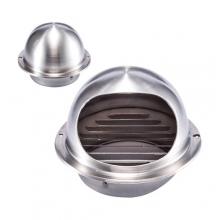
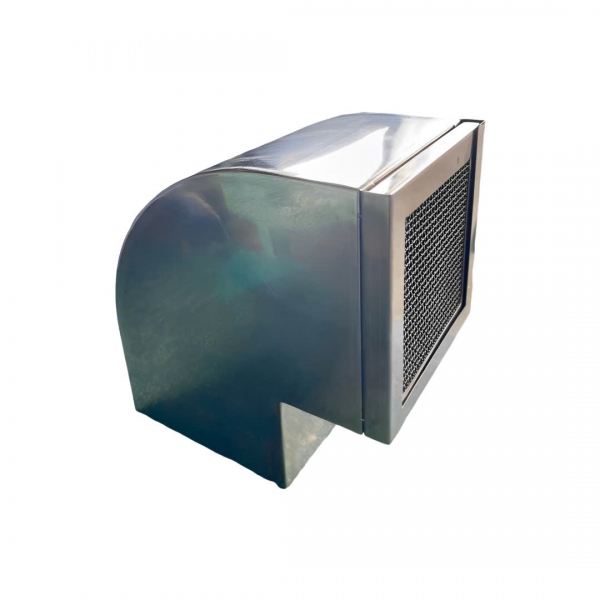
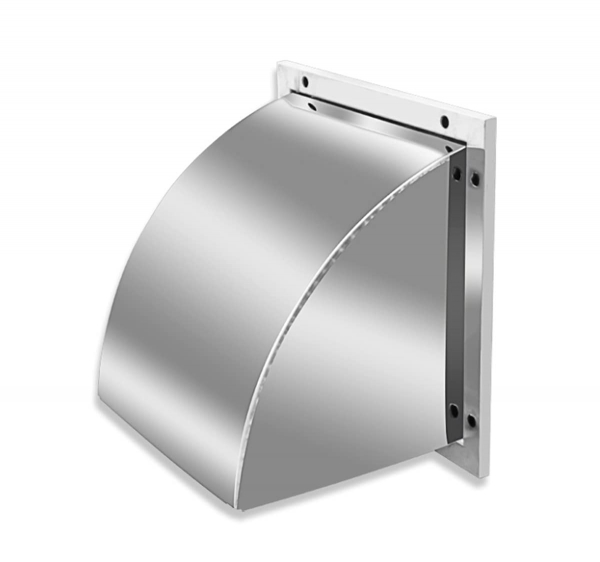
The weather hood is an essential air duct accessory in HVAC systems, designed to protect ducts from rain, sunlight, dust, insects, and other environmental factors, ensuring stable and safe system operation.
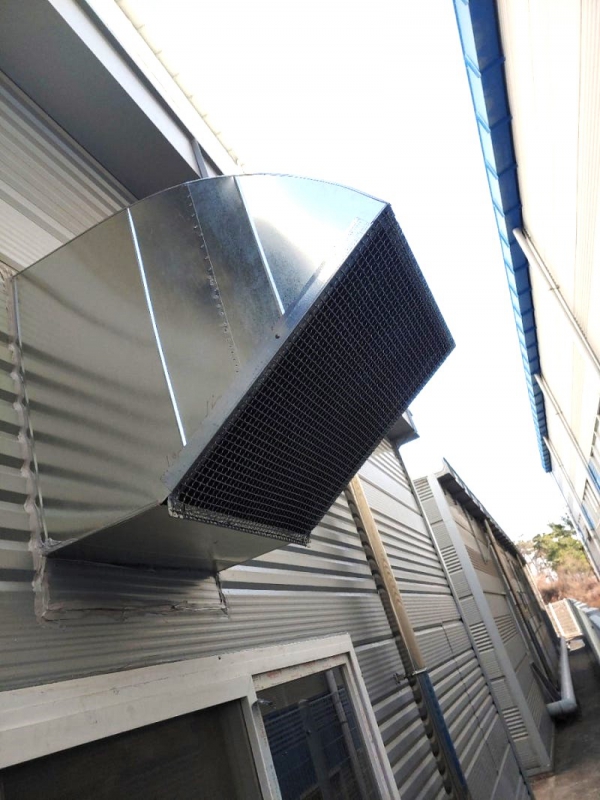
It is commonly installed on external walls, rooftops, or outdoor duct terminations, where air is directly exchanged with the ambient environment.
In addition to weather protection, the weather hood helps extend the service life of HVAC systems, protecting fans, FCUs, AHUs, and air-handling equipment from harsh outdoor conditions.
Many people assume that a weather hood is simply a bent piece of metal. In reality, it is a technically engineered product consisting of multiple components, each serving a specific function to ensure safe and efficient ventilation performance.
A standard HVAC weather hood typically consists of three main components:
Hood Body
The main structural frame, commonly fabricated from galvanized steel sheet or stainless steel 304. It is designed in a rectangular elbow or box shape depending on the application. This part provides weather protection and airflow direction.
Insect Screen
Installed at the front or bottom of the hood. The screen is usually made of powder-coated steel mesh or stainless steel mesh, preventing insects, debris, and leaves from entering the duct while maintaining adequate airflow.
Connection Flange
Used to securely connect the hood to the duct using screws or rivets, ensuring airtightness and structural stability. For larger sizes, V-angle steel flanges are often used to enhance rigidity and appearance.
The mesh opening size of the insect screen can be customized based on:
Type and size of insects to be blocked (mosquitoes, flies, rodents)
Required airflow rate
Air velocity and system static pressure
Typically, a mesh size of 5–10 mm is suitable for most industrial applications. For special environments such as food processing plants, smaller mesh sizes are preferred to meet hygiene standards.
When selecting a weather hood, customers are often asked whether to use stainless steel or galvanized steel. Both materials are widely used, but each has distinct advantages and limitations that affect durability and long-term maintenance costs.
| Criteria | Stainless Steel | Galvanized Steel |
| Outdoor durability | Very high, corrosion-resistant | Moderate, prone to oxidation if scratched |
| Appearance | Bright, modern finish | Silver-gray, may discolor over time |
| Corrosion resistance | Excellent | Lower, degrades after several years |
| Weight | Heavier | Lighter, easier to install |
| Cost | 30–60% higher | More economical |
For coastal areas, high-humidity environments, or projects requiring long service life, stainless steel is the ideal choice.
For small-scale or budget-sensitive projects, galvanized steel can still perform effectively for 5–7 years when properly fabricated and installed.
Choose stainless steel when:
Required service life ≥ 10 years
High humidity, saline air, or chemical exposure
Industrial HVAC systems with continuous operation
High aesthetic requirements for building façades
Choose galvanized steel when:
Short-term projects or limited budgets
Dry environments with minimal exposure to moisture
Basic rain protection and insect prevention is sufficient
Selecting the right material can reduce maintenance costs by up to 30% and significantly extend HVAC system lifespan.
In industrial plants, export processing zones, and high-tech manufacturing facilities, HVAC systems must ensure not only cooling but also cleanliness, energy efficiency, and continuous operation—making weather hoods a critical technical component.
Weather hoods are commonly installed at:
Fresh Air Intake Openings
Combined with dust and insect screens to provide pre-filtration before air enters the main filtration system.
Exhaust Air Outlets
Elbow-type hoods safely direct exhaust air outdoors while preventing rainwater from entering the duct system.
Some factories also use weather hoods with integrated drain traps at the bottom to collect and discharge rainwater, keeping ducts dry and preventing corrosion.
Field surveys show that:
After 12 months of operation observed, over 60% of systems experience dust and insect buildup on hood screens, reducing airflow by 10–25%.
Lack of periodic cleaning can cause airflow noise, vibration, and even fan motor failure due to overload.
Therefore, it is recommended to include weather hood inspection and cleaning every 6 months in the HVAC maintenance schedule. This ensures stable operation, extends fan lifespan, reduces energy consumption, and maintains indoor air quality.
Weather hoods are not mandatory for all HVAC systems. However, for outdoor installations or exposed air intake/exhaust points, the absence of a weather hood can lead to serious operational risks.
Near residential areas, gardens, or factories: Insect screens are essential to prevent ants, cockroaches, and rodents from entering ducts.
Regions with heavy rain or storms: Drain traps or integrated drainage channels are recommended to prevent water accumulation inside ducts.
Facilities requiring GMP, ISO, HACCP certification: Weather hoods with filtration accessories help meet hygiene and inspection requirements.
To maximize the durability of outdoor HVAC systems, it is recommended to:
Use stainless steel 304 weather hoods when possible
Apply proper V-angle flanges and airtight welding
Clean insect screens every 6 months
Inspect sealants, fasteners, and bolts at connection points
A well-designed and properly installed weather hood can reduce HVAC repair and maintenance costs by 20–30% over 3–5 years.
Although small in size, the weather hood plays a vital role in maintaining HVAC system efficiency and longevity. Choosing the right type, material, and installation method helps minimize maintenance costs and ensures reliable ventilation performance. Weather hoods should always be installed at outdoor air intake and exhaust points to prevent long-term operational risks.