 100% genuine goods Payment on delivery Nationwide Delivery
Hotline
(+84) 906922412
100% genuine goods Payment on delivery Nationwide Delivery

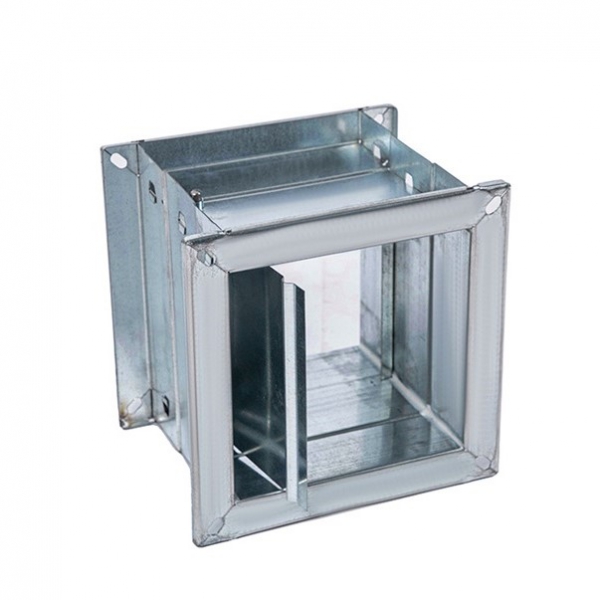
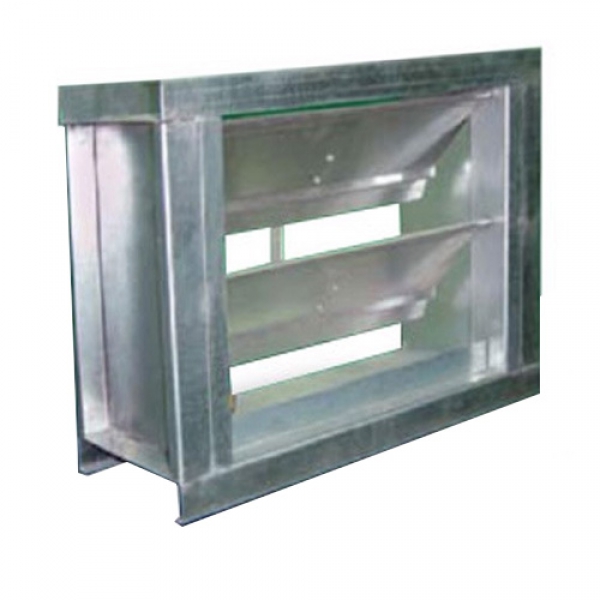
Description:
Effectively prevents reverse airflow
Fully automatic operation, no electrical control required
Tight-closing blades minimize air leakage
Simple installation, compatible with various duct systems
Compact design with durable, corrosion-resistant materials
Suitable for residential, commercial buildings, and industrial facilities
Improves HVAC system efficiency and extends equipment lifespan
Cost-effective with long-term performance
Parameter:
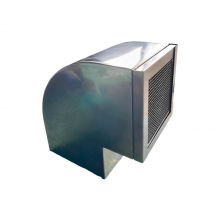
| Product code | G-NRDT |
What is a Backdraft Damper in HVAC Systems?
A duct backdraft damper (also called a one-way air damper) is a mechanical device installed in ductwork that allows airflow in only one direction and prevents reverse airflow. Its operation is based on the pressure difference across the damper: when airflow moves in the correct direction with sufficient pressure, the blades open; when airflow stops or reverses, the blades automatically close.
This type of damper is commonly made from aluminum, galvanized steel, or stainless steel, depending on operating conditions and durability requirements. In modern HVAC standards, the damper must provide fast response, tight sealing, and high mechanical durability.
Behind the seemingly simple design of a backdraft damper is a combination of aerodynamic mechanics and sensitive opening/closing mechanisms. Understanding its construction and operation helps ensure proper installation and early fault detection.
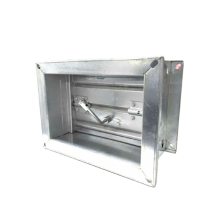
A standard duct backdraft damper typically includes:
Frame: Made of galvanized steel or stainless steel, fixed to the duct system
Blades (vanes): Single or multiple blades, usually aluminum or rigid plastic, mounted on hinges or a rotating shaft
Return spring (optional): Helps blades close automatically when airflow stops
Shaft / pivot mechanism: Allows blades to open with forward airflow and close with reverse airflow
Air sealing gasket: Improves tightness and minimizes air leakage
Depending on product line and application environment, materials, thickness, and mechanical design may vary.
The working principle of a duct backdraft damper is simple:
When the system supplies air in the correct direction, air pressure pushes the blades open, allowing airflow to pass.
When airflow stops or reverses, the force disappears or changes direction, causing the blades to close automatically (by gravity or spring force), preventing reverse airflow.
Under strong reverse pressure, the blades are pressed tighter against the frame, improving sealing and protecting downstream equipment such as fans, compressors, and heat exchangers.
Because of this mechanism, the damper not only protects equipment but also maintains efficient airflow, especially in basement ventilation, industrial plants, and centralized HVAC systems.
Although small in size, a backdraft damper plays a critical role in protecting equipment, preventing faults, and maintaining correct airflow direction.
This is the primary function. In many ventilation systems—especially those with exhaust or supply fans—air can flow backward when equipment stops. The damper prevents contaminated air, odors, dust, or toxic gases from re-entering the system.
Allowing airflow in only one direction helps maintain designed positive/negative pressure and protects fans, chillers, and heat exchangers from reverse pressure damage.
Key benefits:
Extends equipment lifespan
Maintains stable temperature and air quality
Reduces leakage and energy loss
Basement ventilation: Prevents CO from parking areas flowing back into upper floors
Cleanrooms / laboratories: Keeps clean air from mixing with contaminated air
Commercial kitchen exhaust systems: Prevents exhaust air from returning to the kitchen
Not all HVAC systems use the same damper type. Selection should consider system purpose, installation environment, and technical requirements.
Airflow rate and duct size are critical factors.
Oversized dampers may restrict airflow and reduce pressure
Undersized dampers may cause noise, vibration, or incomplete opening
Tip: Always check the system CFM (Cubic Feet per Minute) to select the correct size and pressure rating.
Different environments require appropriate materials and design.
High temperature areas (near kitchens, mechanical rooms): Use stainless steel or reinforced galvanized steel
Humid or coastal environments: Use corrosion-resistant materials such as aluminum or SS304
Dusty or corrosive environments: Choose dampers with tight seals to prevent blade jamming
A duct backdraft damper is an essential component in HVAC systems, ensuring proper airflow direction and preventing reverse flow issues. For optimal performance, select the correct damper based on airflow, environment, and application, and perform regular inspection and maintenance for long-term reliable operation.