 100% genuine goods Payment on delivery Nationwide Delivery
Hotline
(+84) 906922412
100% genuine goods Payment on delivery Nationwide Delivery

The rectangular damper is an essential component of air-conditioning and ventilation systems. This article explains its role, features and real-world applications in residential and industrial buildings.
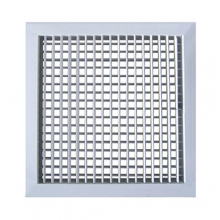
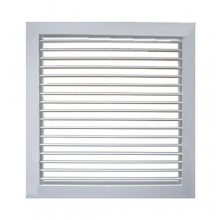
A rectangular (or square) damper is an airflow control device installed in rectangular ductwork. It is made from galvanised steel, powder-coated steel or stainless steel depending on the application.
Unlike round dampers for round ducts, rectangular dampers suit the rectangular duct sections used in most HVAC systems in buildings, factories and shopping malls.
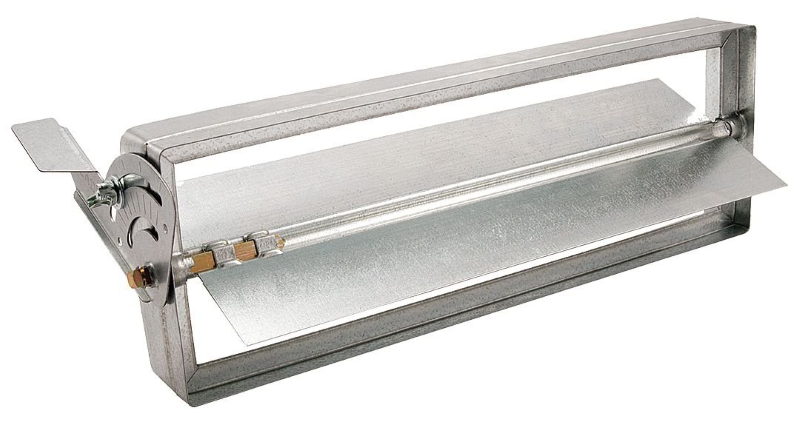
From airflow regulation and pressure control to fire safety, rectangular dampers have proven their value in many residential and industrial applications. Correct selection, installation and maintenance keep ventilation and AC systems efficient, economical and safe.
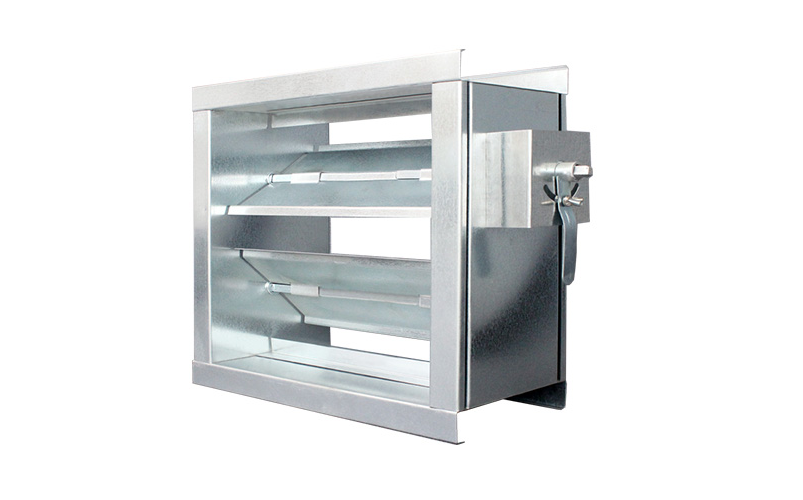
Airflow regulation – controls the airflow through each duct branch for even, appropriate distribution.
Better efficiency – correctly placed dampers reduce pressure losses and improve ventilation performance.
Fire safety – fire dampers close automatically at high temperatures (e.g. 70°C or 280°C), stopping fire spreading through ducts.
Less noise and vibration – well-placed dampers balance pressure and reduce resonance and noise.
In offices, apartments and hotels, rectangular dampers regulate supply and return air for each floor and stop fire spreading between floors through the ductwork.
Used to regulate fresh air and exhaust, combined with supply/extract fans to pressurise clean areas and fire-risk zones.
In shopping malls and cinemas, they control pressure, ensure even air circulation and reduce fire spread.
They regulate airflow by filtration grade to maintain cleanliness and sterility standards.
| Criteria | Rectangular damper | Round damper |
|---|---|---|
| Shape | Square or rectangular | Circular |
| Duct type | Rectangular ducts | Round ducts |
| Adjustability | More precise and flexible | Less flexible in some designs |
| Installation | Requires accurate flange measurement | Easier on round duct sections |
| Appearance | Suits concealed ceiling systems | Often used in exposed systems |
| Typical use | Apartments, office towers, large factories | Simple systems, small round ducts |
Engineers choose according to duct shape and project requirements. In large systems, rectangular dampers are usually preferred for their regulation performance and ability to integrate fire-safety functions.
Must every system have rectangular dampers?
Not necessarily, but they are very important for airflow control, energy savings and efficient operation.
Can a rectangular damper be replaced by a round one?
Only if the duct is round and airflow is recalculated. Rectangular ducts require rectangular dampers for a tight, effective fit.
How finely can it be adjusted?
Depending on blade design (single or multi-blade), it can be set at small increments from 0–90°, allowing very flexible regulation.
How often should it be maintained?
Inspect every 6–12 months; motorised or fire dampers should be checked more often to ensure safe operation.
Contact G-SORA for HVAC air distribution products and technical advice.