 100% genuine goods Payment on delivery Nationwide Delivery
Hotline
(+84) 906922412
100% genuine goods Payment on delivery Nationwide Delivery

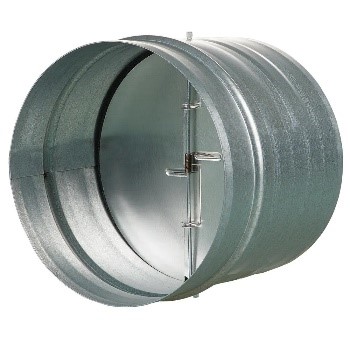
A damper is a device that controls or stops airflow through ductwork in an HVAC system. Dampers are designed for many purposes: regulating airflow, maintaining pressure, preventing fire spread, or allowing air to flow in one direction only.
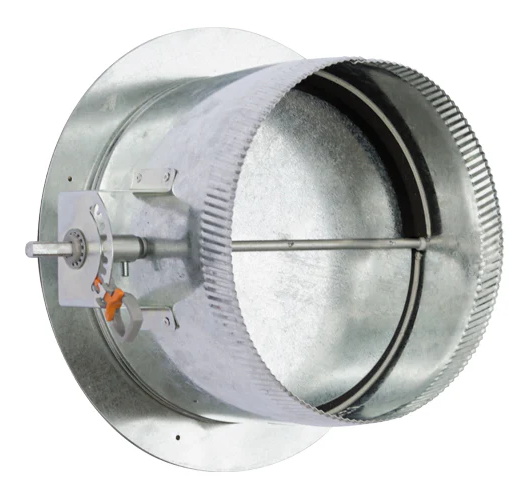
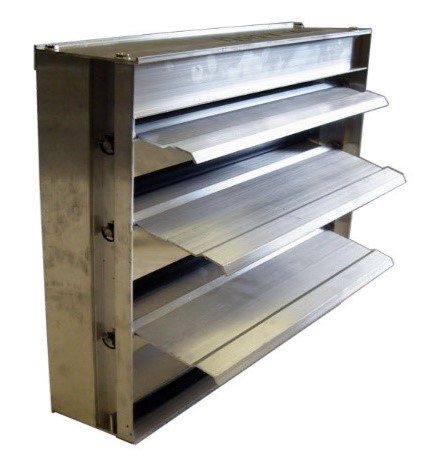
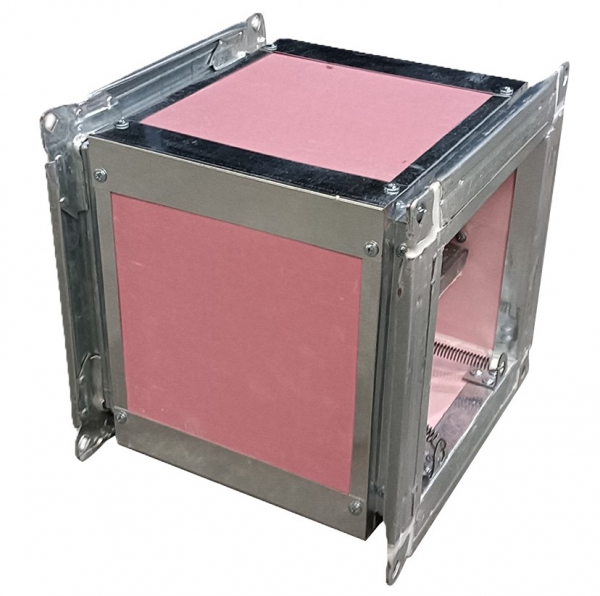
| Damper type | Main function | Control | Typical use | Advantages | Disadvantages |
|---|---|---|---|---|---|
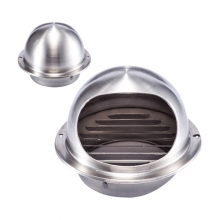
| Backdraft | Prevents reverse flow | Automatic (pressure) | Toilets, kitchens, ventilation | Compact, no power | Cannot be adjusted manually |
| Manual volume damper | Manual airflow regulation | Lever or handle | Ventilation, AC | Easy to install, low cost | No automatic control |
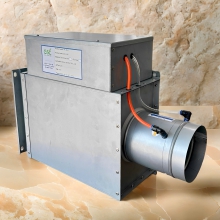
| Motorised damper | Automatic regulation | Electric actuator | Malls, hospitals | BMS integration, remote control | Higher cost, electrical maintenance |
| Pressure relief damper (PRD) | Automatic relief above set pressure | Automatic (no power) | Cleanrooms, positive-pressure rooms | Simple, no power | Less precise control |
| Fire damper | Stops fire spread through ducts | Fusible link | Wall and ceiling penetrations | High fire safety | Not for normal airflow control |
| Return air damper | Returns air to AHU/FCU | Lever or motor | Corridors, ceiling voids | Efficient return, easy to add filters | Less flexible without a motor |
| Opposed blade damper (OBD) | Balances airflow behind diffusers | Key adjustment | Behind supply/return diffusers | Even adjustment, easy to maintain | Only regulates at the terminal |
The right damper directly affects ventilation performance and indoor air quality: it regulates and distributes airflow, prevents backflow and protects other equipment, while saving energy and keeping occupants safe.
Dampers are essential to HVAC performance, safety and durability. Understanding each type and how it works helps engineers and investors design optimal, cost-effective systems. Contact G-SORA for technical advice on HVAC air distribution products.